A Beginner’s Guide to Pest Control Services in Sussex County
@lukasfvrn300
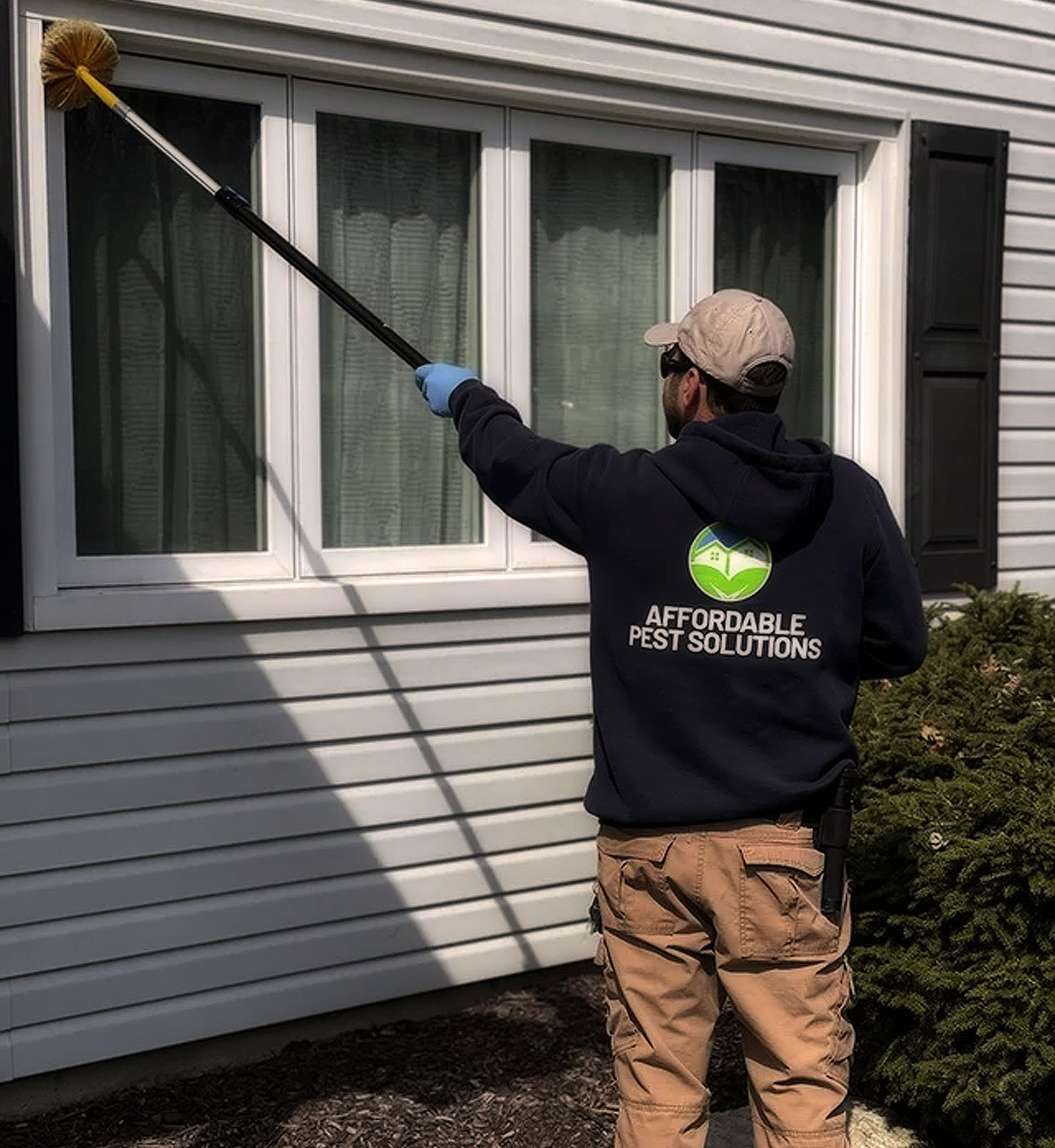
If you have never hired a pest control company before, the process can feel oddly opaque. One company talks about monthly service, another recommends a one-time treatment, and Pest Control Services Sussex County a third starts discussing exclusion work, bait stations, and monitoring programs before you have even finished explaining that you saw two mice in the basement. Most homeowners and small business owners in Sussex County do not need jargon. They need a clear sense of what pest control services actually include, when professional help makes sense, what a fair visit looks like, and how to avoid paying for the wrong solution.
That is especially true in places where homes sit close to woods, open land, water, crawl spaces, detached garages, or older foundations. In those settings, pest pressure changes with the season and with the structure itself. A tidy, well-kept home can still attract ants in spring, yellow jackets in late summer, or rodents when the temperature drops. Pest problems are not a sign of poor housekeeping nearly as often as people think. More often, they are the result of shelter, moisture, access points, food sources, or plain bad timing.
For beginners, the best way to understand Pest Control Services Sussex County residents commonly use is to think in terms of three things: diagnosis, treatment, and prevention. Good companies do all three. Weak ones rush to spray something, leave a bill, and hope you do not call back for the same problem two weeks later.
What pest control service actually means
Professional pest control is not just “spraying for bugs.” At its best, it is a process of identifying the pest correctly, understanding why it is there, choosing the least disruptive effective treatment, and reducing the conditions that allowed the problem to start.
A technician’s first job is to inspect, not to treat. That may sound obvious, but it matters. Carpenter ants and termites both involve wood, yet they require very different responses. A mouse problem in a finished basement calls for a different strategy than a rat issue around an outbuilding. Pantry moths do not need a perimeter treatment around the house. They need the source removed from the kitchen.
A real inspection usually includes the exterior foundation, entry points around utility lines, door sweeps, attic or basement access, moisture-prone areas, and signs like droppings, frass, mud tubes, rub marks, nesting material, or damaged wood. In many cases, the technician is trying to answer a simple question: are you dealing with an isolated incident, a growing infestation, or a condition that will keep recreating the same issue until the structure is corrected?
That distinction saves money. I have seen homeowners pay repeatedly for ant treatments when the actual issue was a chronic moisture problem behind a downspout and window trim. I have also seen people panic over a single wasp inside the house in January when it was likely an overwintering insect that emerged from a wall void during a warm spell, not an active indoor nest.
The pests Sussex County property owners are most likely to encounter
The exact mix varies by neighborhood, building type, and season, but several categories come up again and again.
Ants are among the most common service calls, particularly in spring and early summer. Some are just a nuisance around kitchens and windowsills. Carpenter ants deserve more attention because they excavate damp or damaged wood to build galleries. They do not eat wood like termites, but they can still signal hidden structural moisture issues.
Stinging insects become a major concern as the weather warms. Wasps, hornets, and yellow jackets often build around eaves, soffits, sheds, shrubs, wall voids, and ground cavities. The biggest mistake homeowners make is trying to remove an active nest at the wrong time of day with an off-the-shelf aerosol and no protective gear. It can go badly very quickly.
Rodents are a year-round issue, but the calls usually increase when temperatures shift. Mice can squeeze through remarkably small openings. Rats need larger access, but where food and shelter exist, they adapt fast. If you hear scratching at night, find droppings near stored items, or notice gnaw marks around food packaging, it is worth acting early. Rodents rarely improve on their own.
Termites are a different level of concern because they can work quietly for a long time. By the time a homeowner notices blistering paint, soft wood, or swarmers, the colony may have been active for months or longer. Not every property in Sussex County will face the same termite pressure, but where wood meets soil, moisture builds up, or foundations have cracks and hidden entry points, inspections matter.
Cockroaches are less common in some residential settings than ants or rodents, but when they appear, they need careful treatment. Spraying randomly often makes the problem harder to solve. Roach control typically depends on sanitation, crack-and-crevice work, baits, and follow-up.
Mosquitoes and ticks fall into a slightly different category because they are often treated as outdoor comfort and health concerns rather than indoor infestations. For households that spend time in the yard, especially near shade, leaf litter, standing water, or dense vegetation, seasonal control can make outdoor spaces far more usable.
Bed bugs deserve separate mention because they are emotionally stressful and technically challenging. They are not tied to cleanliness, and they often arrive through travel, secondhand furniture, or shared living environments. The right response is highly targeted and usually involves more than one visit.
When to try a do-it-yourself fix, and when to call a pro
Not every pest issue requires a service plan. A few pavement ants near the back door may be handled with better sealing, cleanup, and a sensible over-the-counter product. A paper wasp nest the size of a golf ball on an accessible fence post may be manageable if handled carefully at the right time.
The trouble starts when people assume every problem is small because it started small. A single mouse sighting often means more activity nearby. A few winged insects near a window may be swarmers from a hidden colony, not harmless strays. One yellow jacket entry point in a siding gap can indicate a larger nest tucked into a wall cavity.
As a rule, professional help makes sense when the pest can sting, bite, spread bacteria, damage wood, multiply quickly, or hide in places that are hard to reach safely. It also makes sense when you have tried a basic remedy and the issue returns.
Here are some practical signs that it is time to stop experimenting and call a reputable company:
- You are seeing repeated activity after your own treatment.
- The pest is inside walls, attics, crawl spaces, or structural voids.
- Someone in the home has allergies, asthma, or sensitivity to stings.
- There are signs of structural damage, droppings, or contamination.
- You cannot confidently identify the pest.
That last point matters more than beginners expect. Misidentification is one of the most expensive mistakes in pest control. Treating for one species while another is responsible wastes time and often gives the infestation room to grow.
What happens during a first service visit
A strong first visit is less dramatic than most people expect. It is usually part detective work, part education, part treatment. The technician should ask where you have seen activity, when it started, whether it is getting worse, and whether anything changed recently, such as construction, landscaping, moisture issues, pet food storage, or a recent move.
Expect questions that seem unrelated at first. Have you brought in firewood? Is there bird seed in the garage? Does the crawl space stay damp? Are there trees touching the roofline? Those details often explain why a problem started.
The inspection should lead to a clear explanation. A good technician does not just name the pest. They explain the evidence, where the pest is likely entering or nesting, what treatment is proposed, what result to expect, and what you need to do before or after the visit. If you hear only generic promises, be cautious.
Treatments vary. Ant control may involve exterior perimeter work, targeted baiting, and correction of moisture sources. Rodent control often combines trapping, bait stations where appropriate, and exclusion recommendations. Stinging insect work may involve direct nest treatment and removal or treatment of inaccessible voids. Termite service is its own discipline and may involve soil treatment, bait systems, or both, depending on the property and the company’s approach.
Do not be surprised if the technician recommends a follow-up. Many pests cannot be solved responsibly in one appointment. Eggs hatch. Baits take time. Exclusion work may need to happen after initial knockdown. A company that tells you every problem can be eliminated in one quick trip is oversimplifying.
The difference between one-time service and ongoing plans
This is where many beginners get stuck. They do not know whether a service agreement is a smart investment or a padded upsell.
A one-time service can make sense when the problem is isolated and clearly identified. A small wasp nest on an exterior light fixture is a good example. So is a one-off inspection after seeing a few ants, if the source turns out to be obvious and easily corrected.
Recurring service plans are more useful when the property has predictable seasonal pressure or when the pest issue is likely to return without monitoring. Homes near tree lines, water, older stonework, or neighboring structures with known activity often benefit from periodic visits. The same is true for restaurants, rental units, and facilities where any recurring pest presence creates larger business or liability concerns.
The value of a plan depends on what is included. Some agreements cover routine inspections, seasonal treatments, and callback visits between scheduled services. Others are little more than calendar reminders attached to light spraying. Read the scope carefully. Prevention has value, but only when it is tailored to the risks at your property.
How pricing usually works, and what affects the cost
Prices vary by pest, severity, structure size, number of visits, and whether exclusion or repairs are included. There is no honest flat answer that fits every situation. A small exterior nest treatment is different from a multi-visit bed bug program. A preventive mosquito service through warm months is different from a termite baiting system that includes annual monitoring.
What matters more than the opening number is what the number buys. Ask whether the quote includes inspection, treatment, follow-up, warranty terms, and callbacks if the problem persists. A low initial quote can become expensive if every return visit is billed separately or if obvious structural entry points are ignored.
It is also worth understanding that pest control and handyman work sometimes overlap, but they are not the same thing. Sealing a gap under a garage door or screening a vent may be essential to rodent control. Some companies handle that directly, some subcontract it, and some only point it out. Clarify that early so you can compare estimates fairly.
What good companies do differently
Most beginners focus on whether the technician is friendly, and that does matter. But the better indicator is whether the company can explain its reasoning clearly and adjust the plan to the property.
A good provider of Pest Control Services Sussex County homeowners can trust will usually do a few things consistently. They will identify the Pest Control Services Sussex County pest with confidence or tell you when identification needs more evidence. They will describe why the infestation is happening, not just how they plan to treat it. They will set realistic expectations. They will also discuss prevention, because treatment without prevention is often just a temporary reset.
In practice, that might mean telling you that sealing one utility penetration will do more for the mouse problem than another month of traps. It might mean advising gutter correction and soil grading as part of a carpenter ant issue. It might mean recommending that you remove leaf litter and standing water if mosquito pressure is constant near the patio.
The companies worth hiring are usually comfortable giving practical, unglamorous advice. Pest control is often won with door sweeps, dehumidification, sanitation, trimming, storage changes, and repairs. Chemicals have their place, but they are not the whole job.
Questions worth asking before you book
You do not need to interrogate the office, but you should ask enough to understand the service you are buying. Beginners often skip this because they feel embarrassed about having pests in the first place. There is no need for that. Pest problems are routine, and clear questions usually lead to better service.
Use these as a starting point:
- What pest do you believe this is, and what evidence supports that?
- What does the treatment include, and will I need follow-up visits?
- Are callbacks included if the issue continues within a set period?
- Will you recommend or perform exclusion or corrective work?
- What preparation should I do before you arrive?
Those questions reveal a lot. If the answers are vague, rushed, or inconsistent, keep looking. The goal is not just to schedule a truck. It is to hire a company that understands the problem well enough to solve it.
Safety, pets, and sensible expectations
Homeowners often jump straight to one concern: is the treatment safe for kids and pets? That is a fair question, and any reputable company should answer it without defensiveness. The honest answer depends on the product, where it is applied, how it is applied, and whether the label directions are followed.
This is one reason broad, unspecific “we use safe stuff” language is not very helpful. Targeted applications in cracks, voids, bait stations, or specific exterior zones are very different from indiscriminate broadcast use. You should be told whether you need to leave the area, keep pets away until dry, empty cabinets, launder bedding, or take any other preparation steps.
Reasonable expectations matter too. Dead insects appearing after treatment can be normal. Increased visible activity for a short period can happen with some pests. Rodent trapping may require several days of monitoring and reset visits. Outdoor mosquito reduction is not the same as total mosquito elimination, especially after rain or near untreated neighboring properties.
The best technicians explain what improvement should look like and how long it should take. That timeline helps you judge whether the treatment is working or whether the situation needs to be reassessed.
Prevention is usually less expensive than repeated treatment
One of the simplest truths in pest control is that pests exploit routine building weaknesses. Water gets where it should not. Mulch is piled too high against siding. Firewood sits against the house. Weatherstripping wears out. A crawl space stays damp for years because nobody goes down there unless something goes wrong.
That is why the most valuable pest visit is often the one that spots conditions you had stopped noticing. A one-inch gap around a pipe penetration can be easy to overlook until a mouse uses it. A clogged gutter above a corner bedroom can quietly feed carpenter ant activity in damp fascia. A dense hedge touching the siding can create sheltered travel lanes for pests and conceal nest-building activity.
If you want fewer service calls over time, focus on moisture, access, and harborage. Seal openings, reduce clutter in basements and garages, manage standing water, trim vegetation away from the structure, and store food, including pet food and bird seed, in solid containers. These measures are not glamorous, but they are often more durable than treatment alone.
Seasonal patterns beginners should understand
Pest activity is not random. It follows weather, breeding cycles, and shelter needs.
Spring tends to bring ant activity, termite swarms in some areas, and the start of mosquito and tick concerns. Summer often means stinging insects hit their stride, especially around eaves, decks, sheds, and yard features. Late summer and early fall can be peak frustration for yellow jackets, which become more aggressive as colonies mature. As nights cool, rodents begin testing homes, garages, and outbuildings for entry. Winter is quieter outside, but interior pest issues become more noticeable because the pests that made it in are now concentrated near warmth, food, and water.
Knowing that pattern helps you time inspections. If you wait until the infestation is obvious, the fix is usually more involved. A preseason inspection or preventive visit can be useful, especially if you had the same issue last year.
Choosing a local company without getting overwhelmed
There is no shortage of advertising in this industry, and nearly every company claims responsiveness, expertise, and effective treatment. Strip away the marketing and look for a few grounded signals.
Experience matters, but local problem-solving matters more. A company should understand the kinds of structures common in Sussex County, the seasonal pest shifts in a temperate climate, and the practical realities of detached garages, crawl spaces, wooded lot lines, stone foundations, or mixed residential and semi-rural surroundings. National brands can do good work, and small independents can do excellent work too. The key question is whether the person coming to your property can assess it thoughtfully rather than applying the same script to every job.
Pay attention to how the office handles your first call. Do they ask useful questions, or do they push a plan before hearing the issue? Does the estimate reflect the actual pest and level of urgency? Are they willing to explain the difference between immediate treatment and long-term prevention? Those everyday interactions often predict the quality of the visit itself.
The first goal is clarity, not panic
If you are new to hiring pest control, it helps to approach the process with a calm, practical mindset. Your first objective is not to buy the biggest package or demand instant elimination of every insect outdoors. It is to identify the pest accurately, understand why it is present, and choose a treatment plan that fits the problem.
That may mean a one-time visit and some minor home maintenance. It may mean a more structured service plan if your property has recurring pressure. Either way, good pest control should leave you with fewer surprises, fewer repeat flare-ups, and a better grasp of how your home interacts with the environment around it.
For most beginners, that is the turning point. Once you understand how Pest Control Services Sussex County providers actually work, the process becomes much less mysterious. You stop reacting to every stray bug as an emergency. You learn which problems can wait a day, which ones should be addressed immediately, and what a competent professional should be able to explain the moment they step onto your property.
Affordable Pest Solutions LLC
Based in Budd Lake, New Jersey 07828
Service area: Sussex County, Morris County, and Warren County, New Jersey
+1 973-229-9547
FAQ About Pest Control Services Sussex County
What is included in a pest control service in NJ?
A visit generally starts with an inspection to identify the pest and assess activity, access points, and contributing conditions. The proposed service may include treatment, monitoring, exclusion recommendations, and follow-up. Ask which pests and areas are covered by the written quote.
How much does a pest controller charge in NJ?
Pricing depends on the pest, property size, severity of activity, and work required. A single treatment and an ongoing plan can have different costs and coverage. Request an inspection-based estimate that explains the included work, follow-up fees, and warranty terms.
How to prepare my home for pest control?
Ask for instructions specific to the planned service. The technician may need access to inspection areas and may ask you to move belongings or protect food and dishes. Mention pets, aquariums, and any household concerns beforehand. Follow the product label and the technician's instructions about leaving and re-entering treated areas.